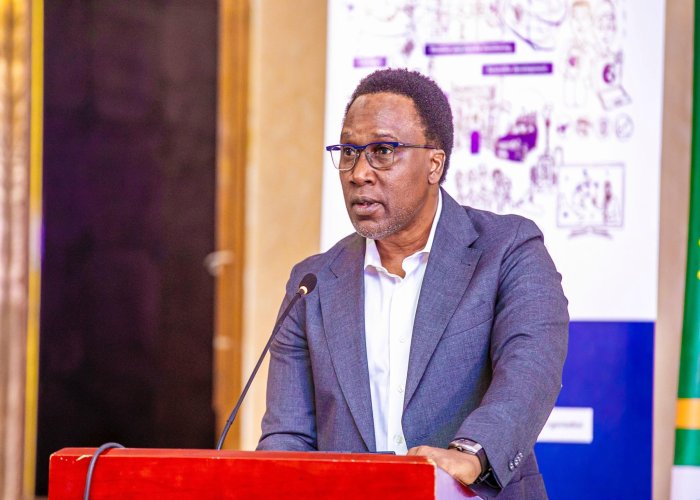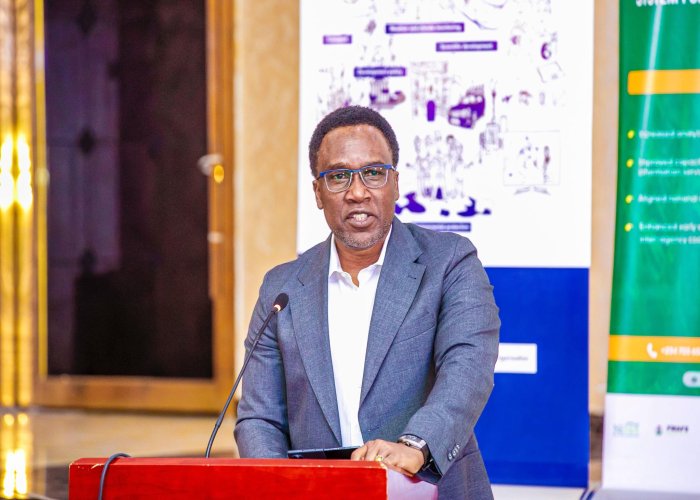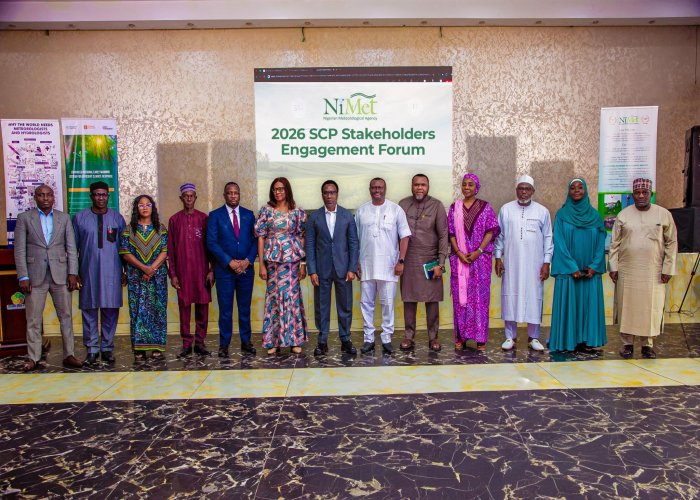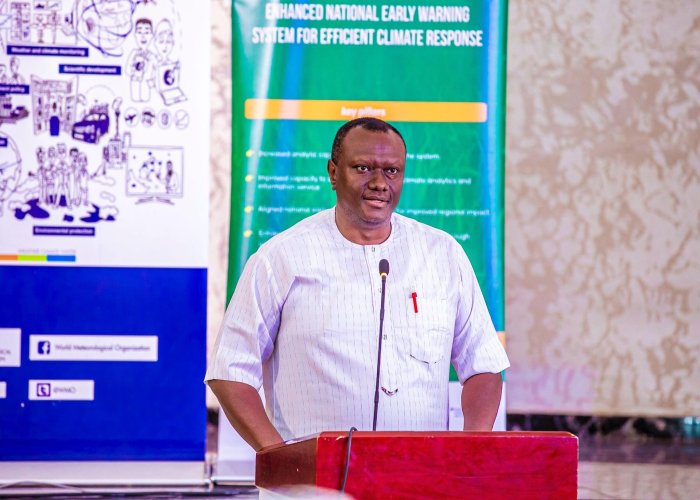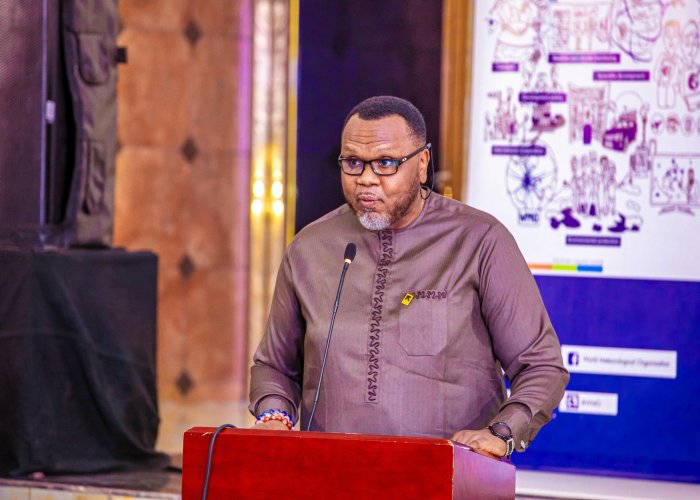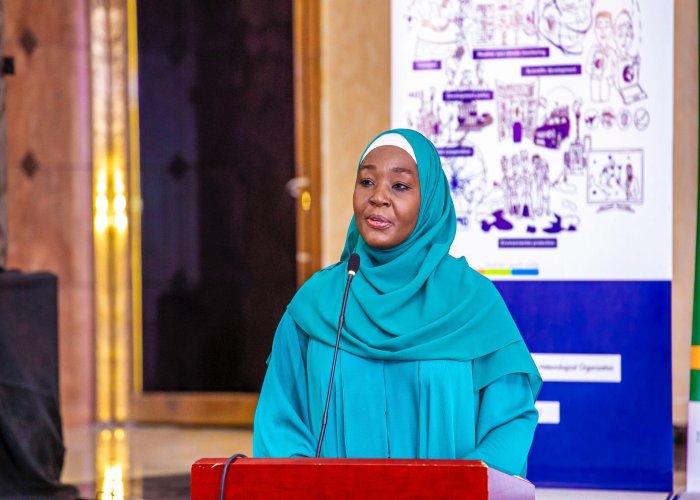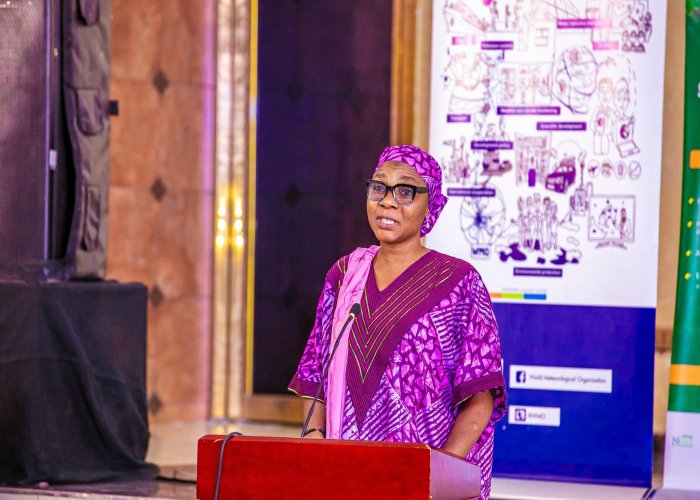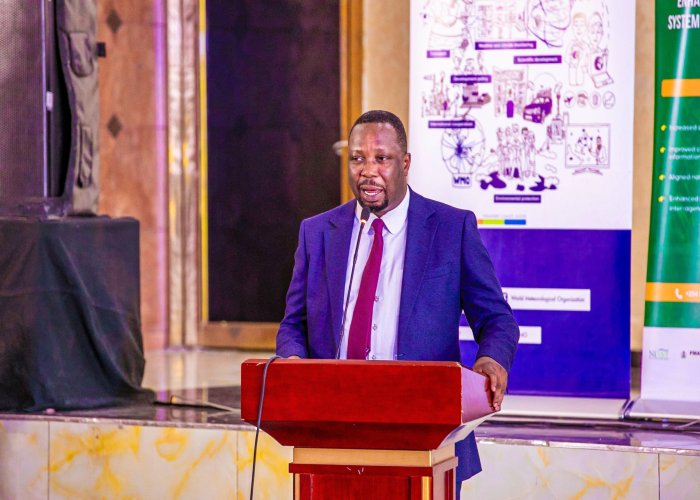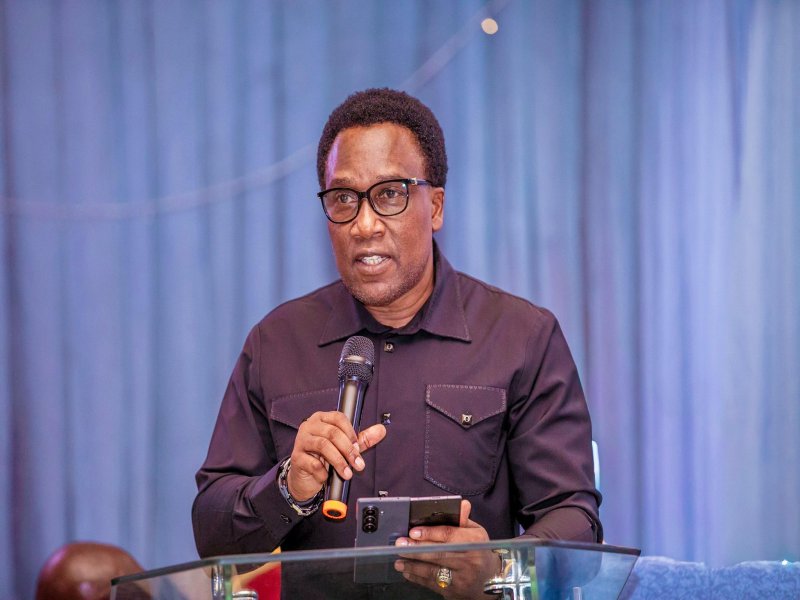

The Nigerian Meteorological Agency (NiMet), in line with its statutory mandate, has produced the draft 2026 Seasonal Climate Prediction (SCP) and convened a Stakeholder's Meeting to validate the outlook and strengthen sector-specific advisories through co-creation and co-production.
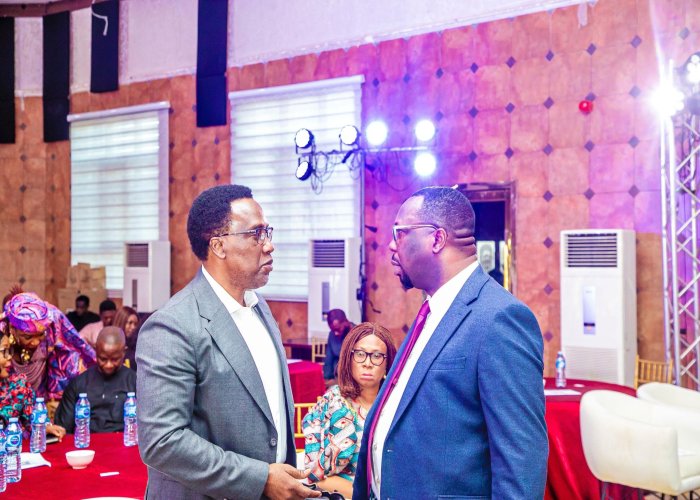
The meeting brought together key stakeholders from the CBN, the Federal Ministry of Environment, aviation, agriculture, water resources, disaster risk management, health, humanitarian response, and allied sectors. The objective: ensure the 2026 climate outlook is relevant, usable, and impactful across sectors.
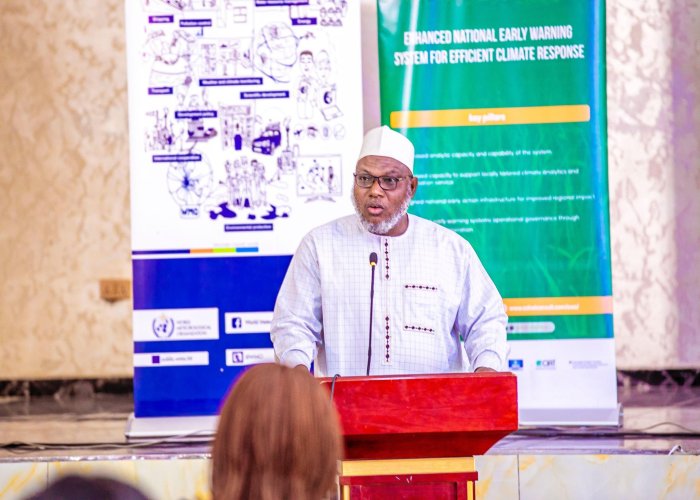
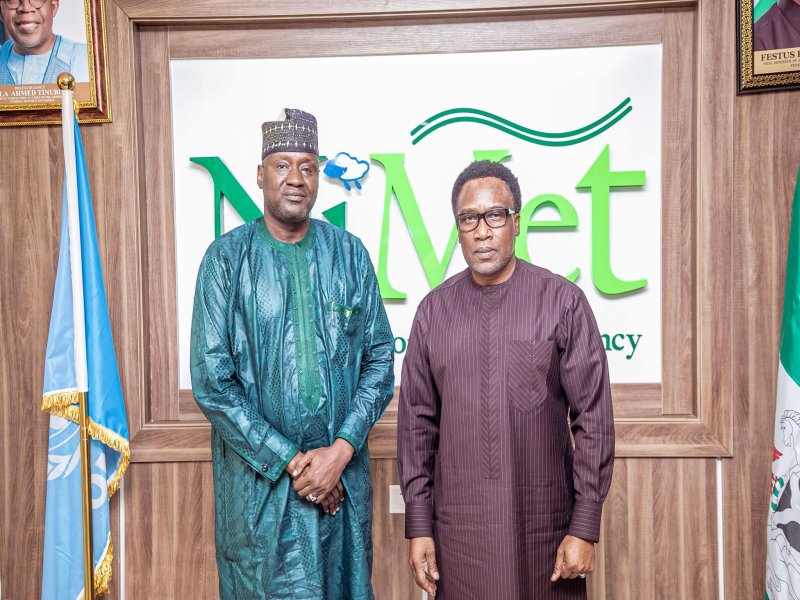
Declaring the meeting open, the DG/CEO of NiMet, Prof. Charles Anosike, emphasized the strategic value of the SCP to national development.
"Our Seasonal Climate Prediction is not just a scientific exercise; it is a vital decision-support tool across aviation, agriculture, water resources, health, disaster risk reduction, construction, and more."
He stressed that stakeholder engagement remains central to NiMet’s climate services delivery, noting that collective insights help ensure forecasts are scientifically robust and user-driven while translating climate information into practical solutions that protect lives, livelihoods, and infrastructure.
The WMO Representative to Nigeria, Dr. Roland Abah, commended NiMet for aligning its SCP process with global best practices, particularly its strong focus on user engagement and co-production. He described the SCP as a credible tool strengthening climate resilience nationwide.
Similarly, the Country Director of the International Rescue Committee (IRC), Mr. Babatunde Ojei, praised NiMet for the consistency and reliability of its forecasts, noting their impact on humanitarian planning, early action, and anticipatory response in vulnerable communities.
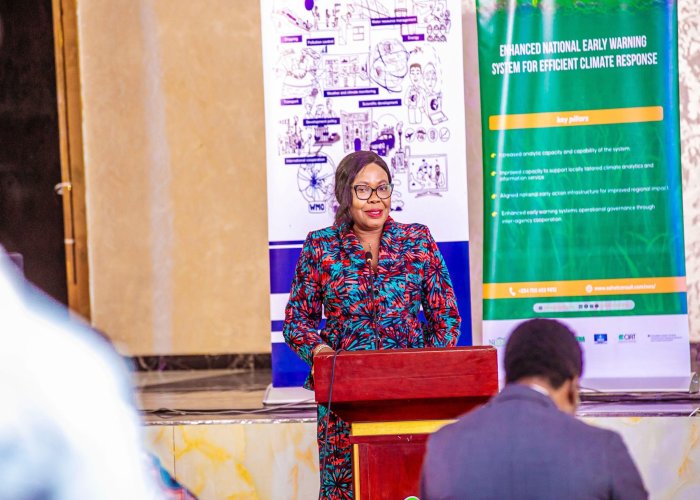
Hajiya Maimuna Lawal, Director of Strategy and Innovation at the Women Farmers Advancement Network (WOFAN), highlighted the SCP's value to farmers, describing NiMet's climate information as practical, farmer-friendly, and indispensable for guiding planting decisions, reducing losses, and improving livelihoods—especially for women.
Representing the Honourable Minister of Environment, Mr. Jonah D. Barde applauded NiMet's consistency in delivering timely climate information that supports national environmental policies. He particularly praised the Agency's transition to digital climate services, noting its role in improving data accessibility, transparency, and efficiency while contributing to Nigeria's climate finance efforts, including strengthening carbon credit potential through enhanced climate data and monitoring.