
The Nigerian Meteorological Agency (NiMet) has unveiled the 2026 Seasonal Climate Prediction (SCP), warning of variable rainfall patterns, prolonged dry spells, a severe August Break in some parts of the country, and generally warmer temperatures across Nigeria.
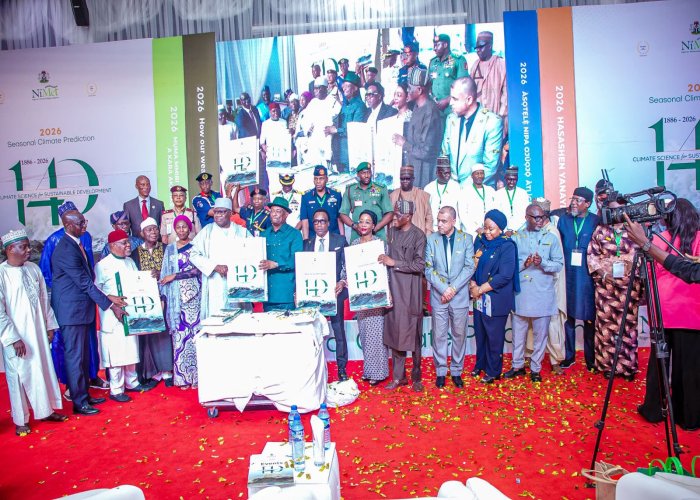
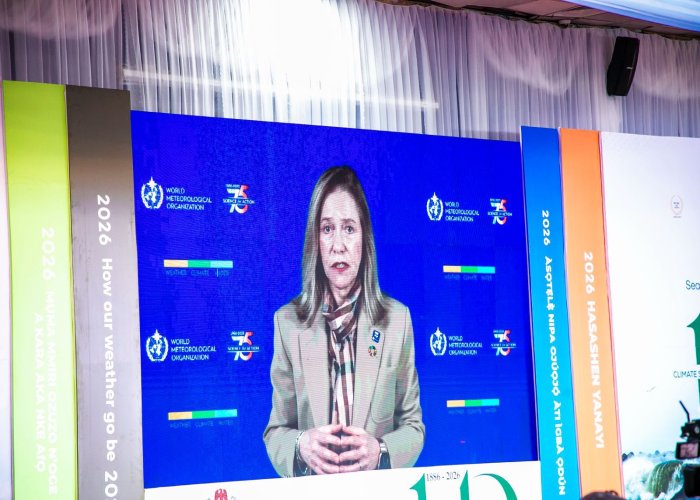
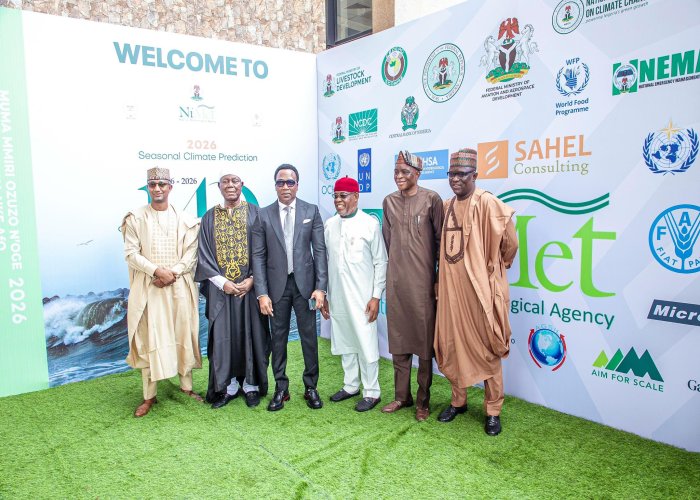
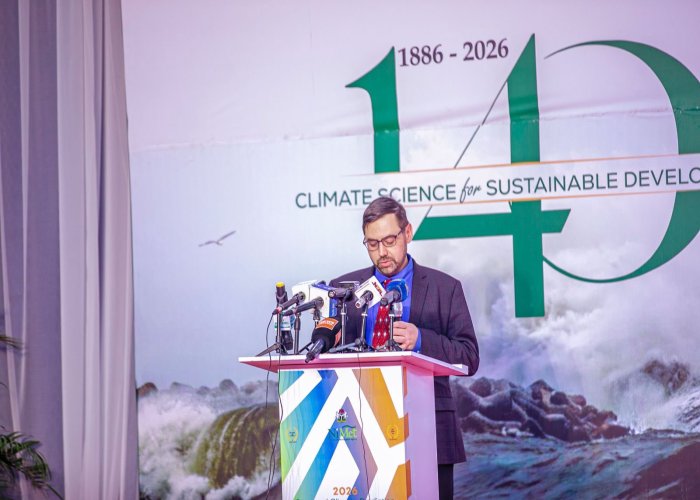
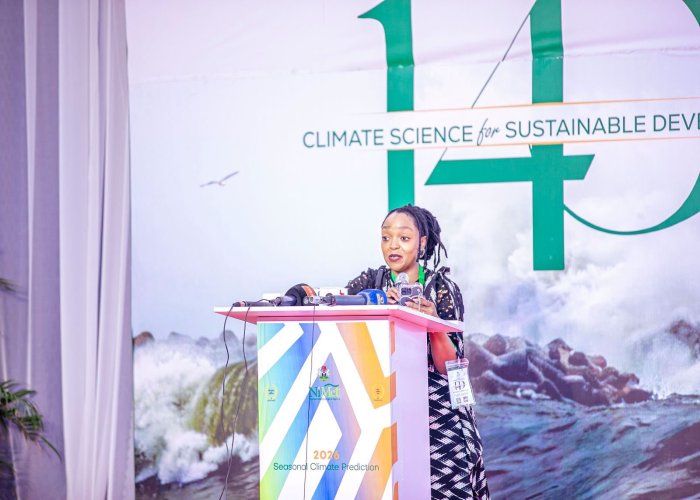
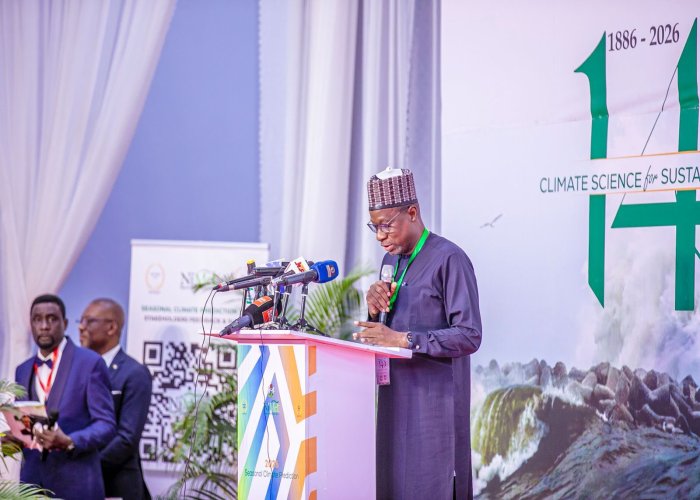
The presentation, held today at the NAF Conference Centre, Abuja, featured a high-level stakeholder engagement attended by government officials, policymakers, farmers, aviation operators, disaster managers, development partners, private sector players, and the media.
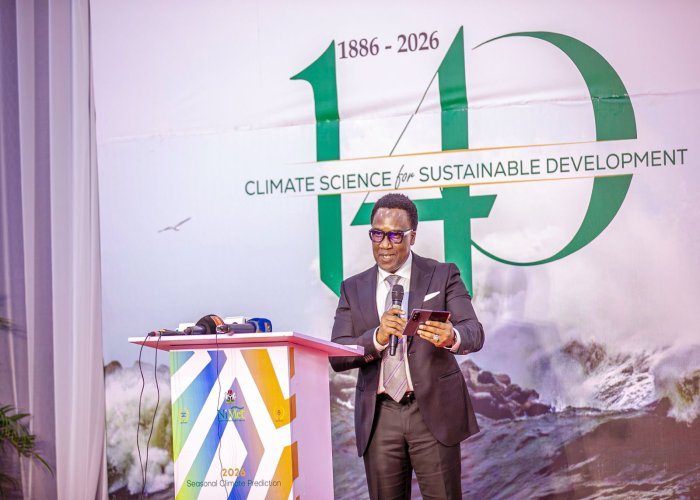
Speaking at the event, the Honourable Minister of Aviation and Aerospace Development, Festus Keyamo, SAN, CON, described the Seasonal Climate Prediction as a vital national tool that translates climate science into actionable guidance for decision-making across key sectors of the economy.
The Minister noted that climate variability and climate change continue to shape aviation safety, food security, infrastructure development, and national planning, stressing that timely and accurate weather and climate information has become essential for sustainable development. He reaffirmed the Federal Government’s commitment to strengthening NiMet as a centre of excellence in weather and climate services.
Keyamo also highlighted the strong scientific foundation of Nigeria’s meteorological services, built on over 140 years of weather observation, and commended NiMet for its enduring role in supporting aviation, agriculture, disaster risk reduction, water resources management, health, energy, and transportation.
Presenting highlights of the 2026 SCP, the Minister cautioned Nigerians against interpreting early rains already observed in parts of southern Nigeria as the official onset of the rainy season, advising farmers and rainfall-dependent users to rely on NiMet’s predicted onset dates.
According to the forecast, early onset of rainfall is expected in Bayelsa, Rivers, Akwa Ibom, Cross River, Benue, Kogi, Nasarawa, Oyo, and parts of Kebbi, Niger, Jigawa, Katsina, Kano, Adamawa, and Taraba States, while late onset is anticipated in Borno State.
Rainfall cessation is expected to occur earlier than normal in parts of Ogun, Osun, Ondo, Imo, Rivers, Akwa Ibom, Kogi, and Niger States, while a delayed end of season is projected for Lagos, Ogun, Anambra, Enugu, Cross River, Benue, Nasarawa, and Kaduna States.
A longer-than-normal rainy season is predicted for Lagos, Benue, Enugu, Ebonyi, Ogun, Oyo, Nasarawa, Anambra, Kwara, Kebbi, Kaduna, Gombe, and Taraba States, while parts of Borno, Yobe, and Niger States may experience a shorter-than-normal season.
NiMet also projects normal annual rainfall amounts across most parts of the country, with above-normal rainfall expected in Borno, Sokoto, Kebbi, Kaduna, Enugu, Cross River, Abia, Ebonyi, Akwa Ibom States and the Federal Capital Territory. Below-normal rainfall is anticipated in parts of Katsina, Zamfara, Kwara, Oyo, and Ogun States.
The forecast further warns of severe dry spells exceeding 15 days between March and May in parts of Oyo and Ogun States, as well as dry spells of up to 21 days during the June, July, and August period across several northern and central states. The Little Dry Season (August Break) is expected to begin by late July and may be severe and prolonged over Lagos, Ogun, Ekiti, and parts of Oyo States.
Additionally, both daytime and nighttime temperatures are predicted to be warmer than the long-term average over most parts of the country in January, February, March, and May 2026.
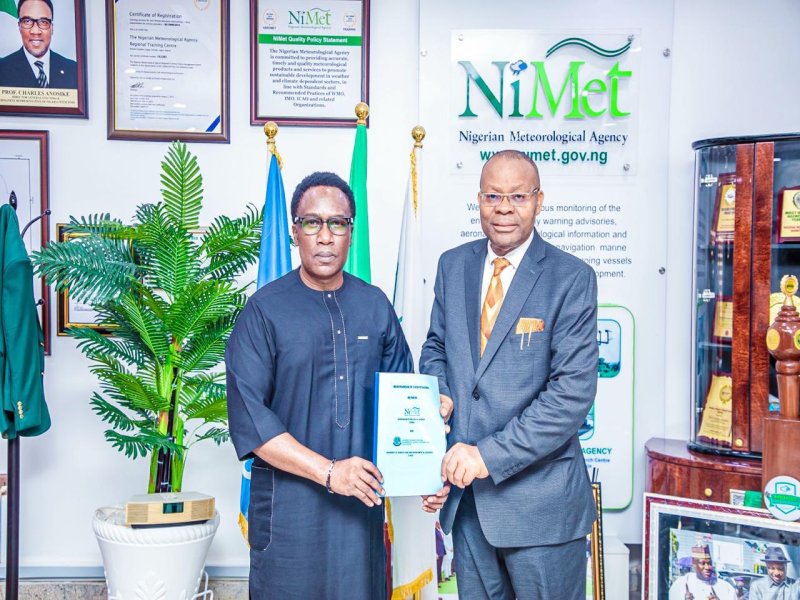
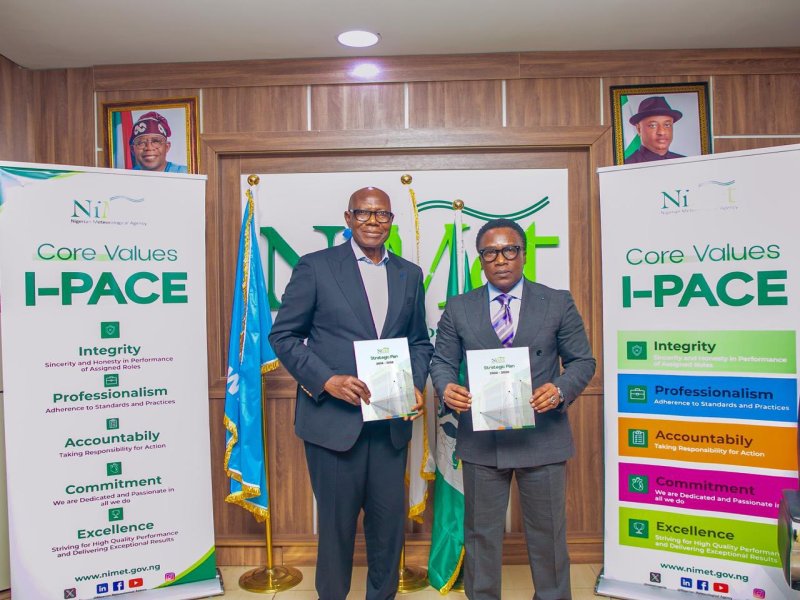
In his remarks, the Director-General/CEO of NiMet, Prof. Charles Anosike, reaffirmed the Agency’s commitment to providing authoritative, science-based climate information to support informed planning in Nigeria’s changing climate.
Prof. Anosike disclosed that NiMet is proactively adopting emerging technologies, including the integration of artificial intelligence into forecasting operations, to enhance accuracy and service delivery. He also called for stronger partnerships with state governments and other stakeholders to further downscale the SCP to farmers and local communities.
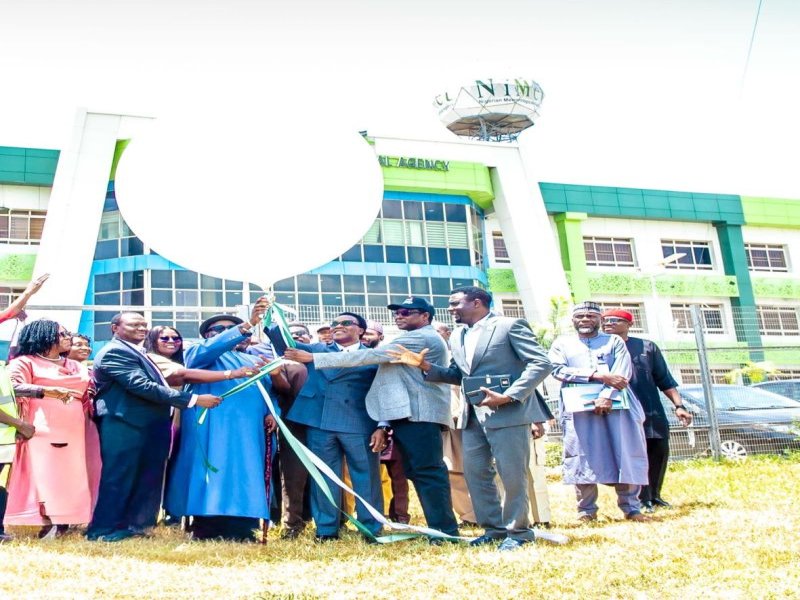
The unveiling of the 2026 Seasonal Climate Prediction underscores Nigeria’s growing commitment to science-based planning, climate resilience, and sustainable development, while reinforcing NiMet’s role as the nation’s trusted provider of weather and climate services.