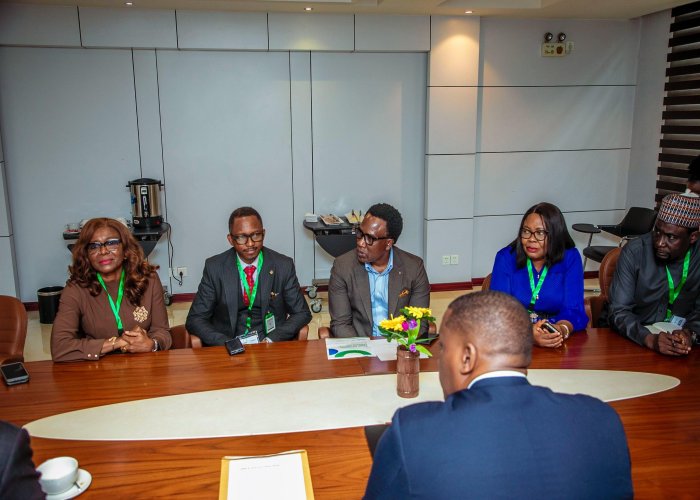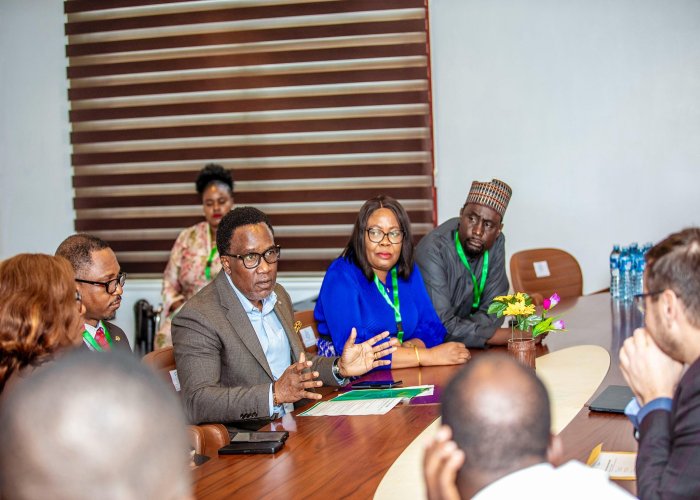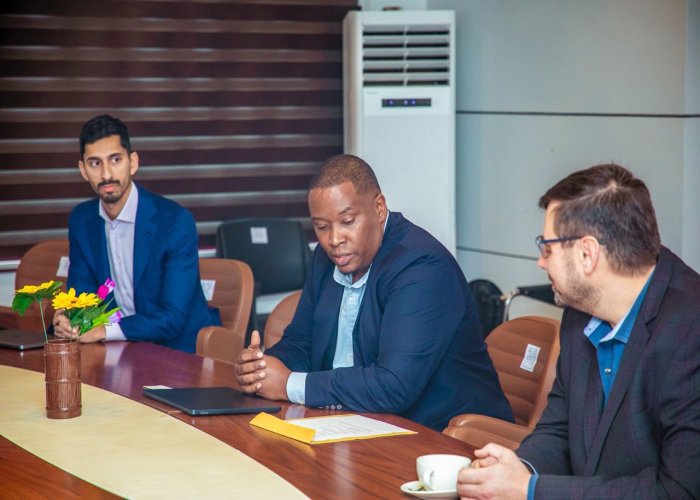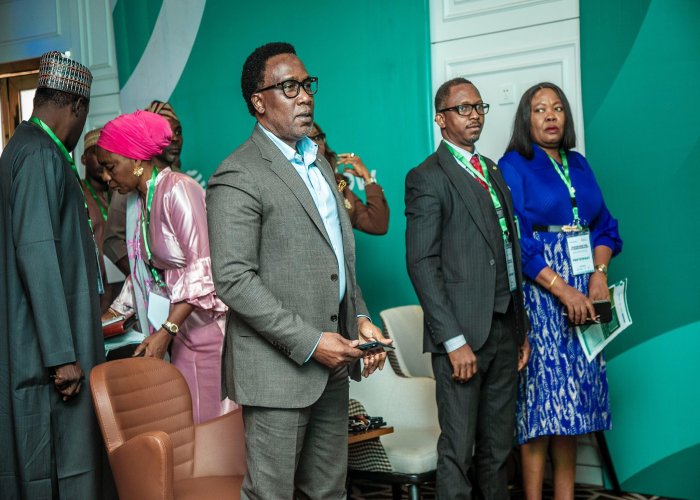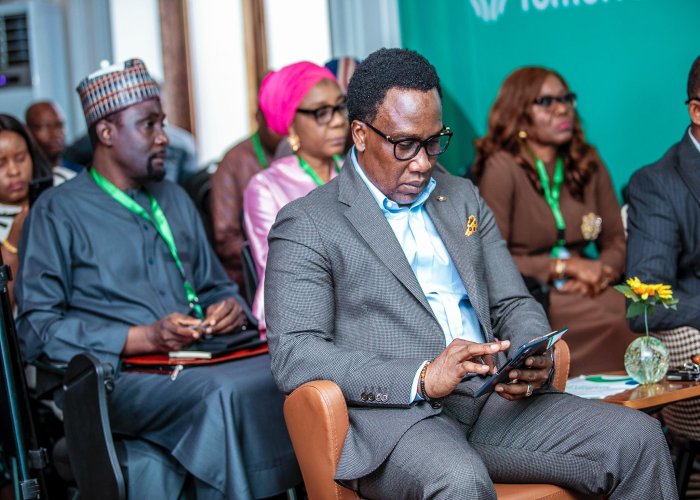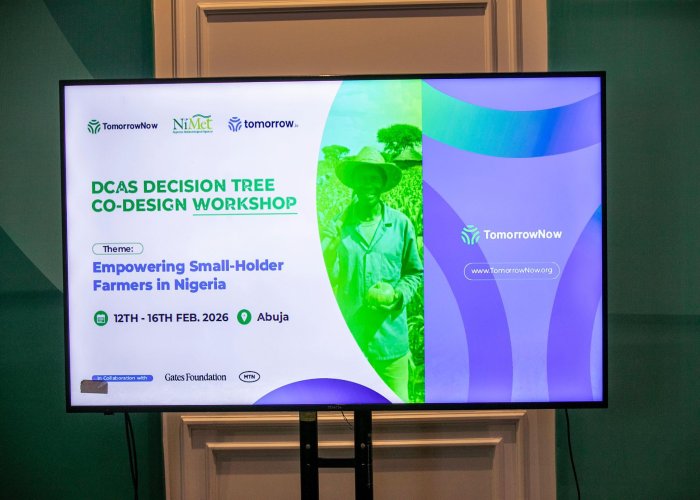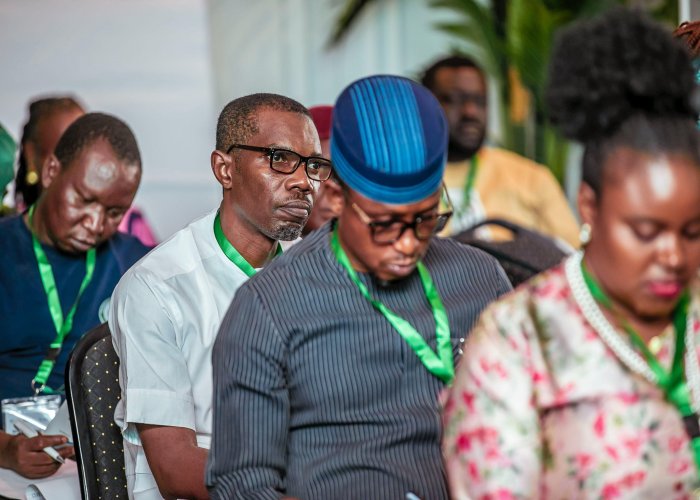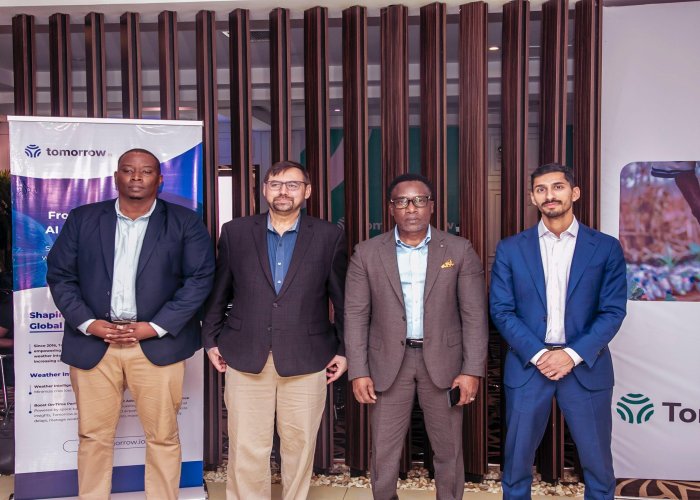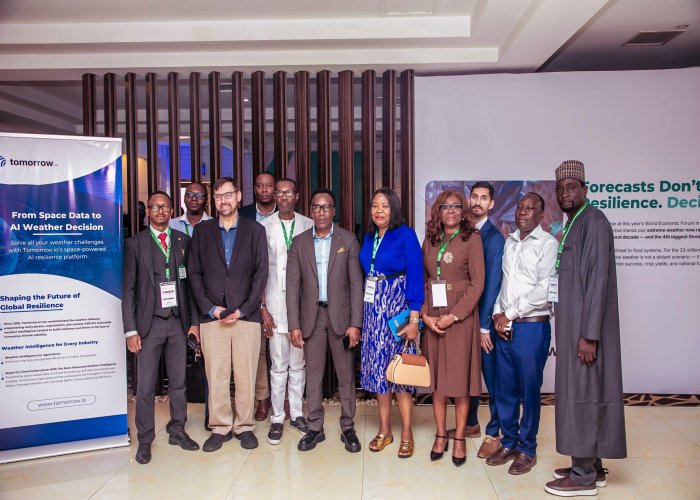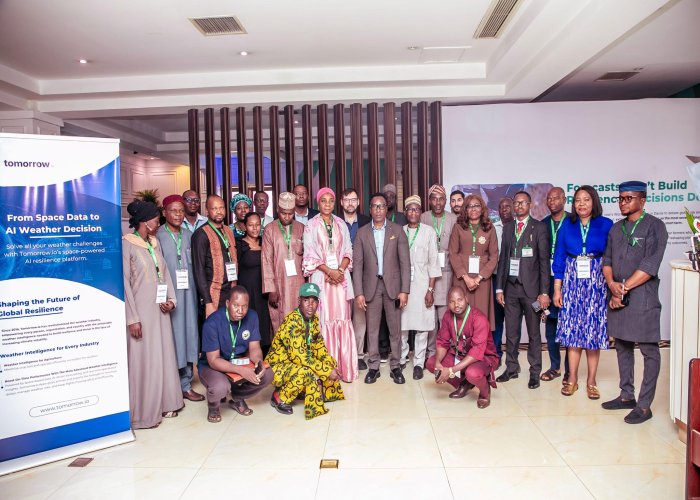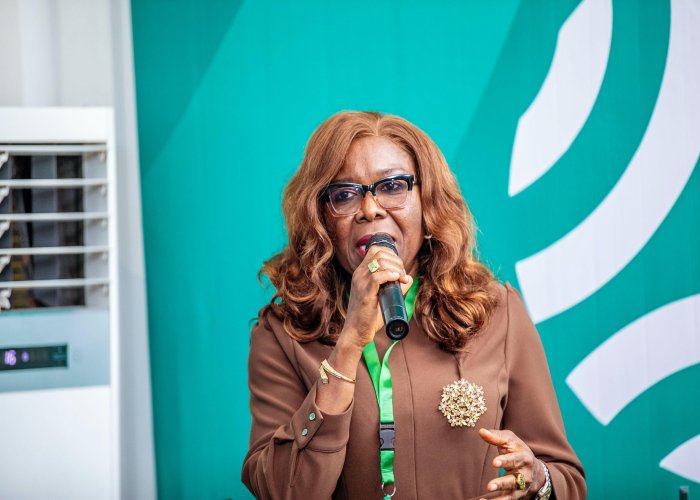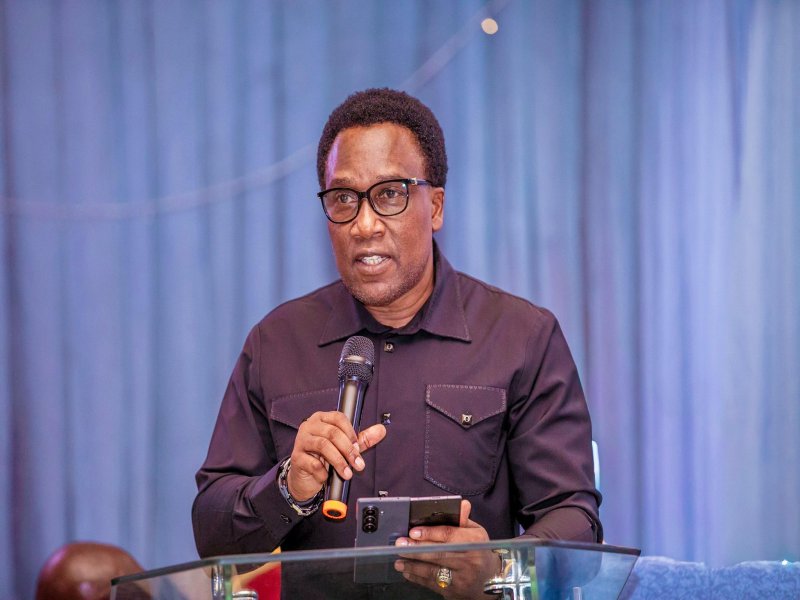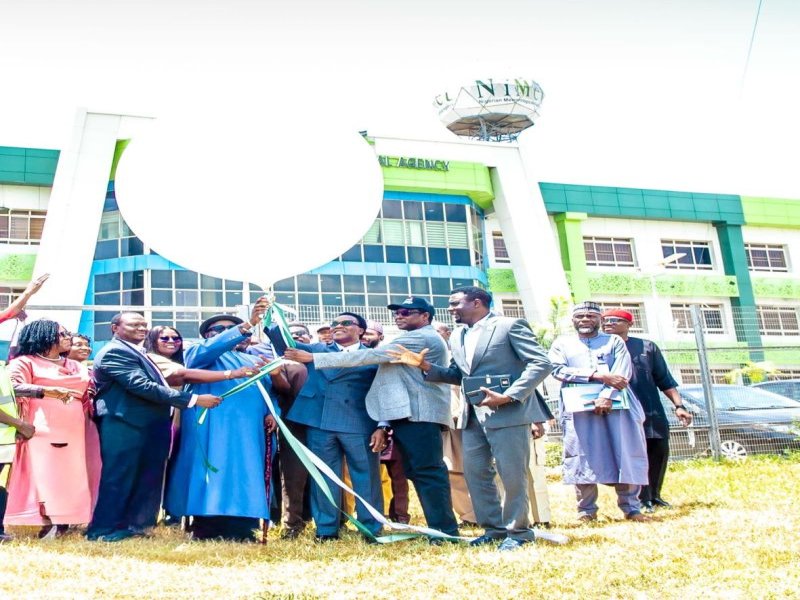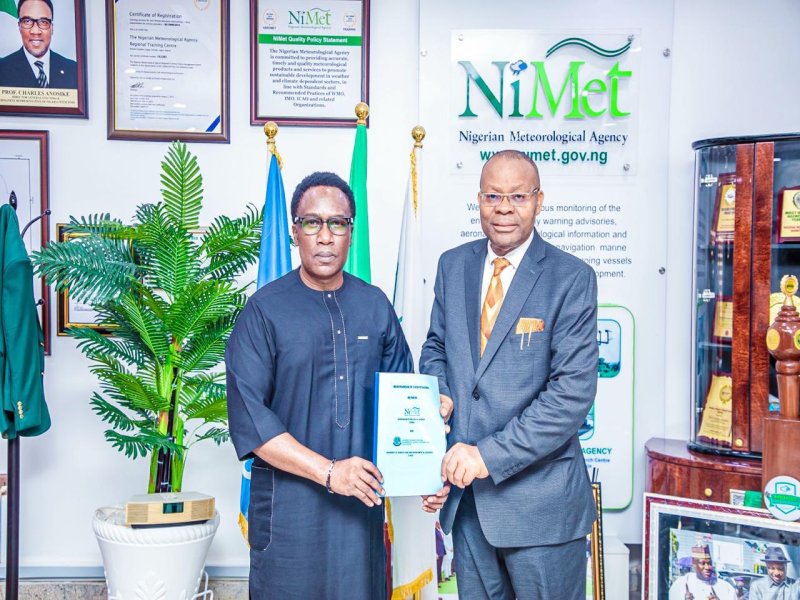
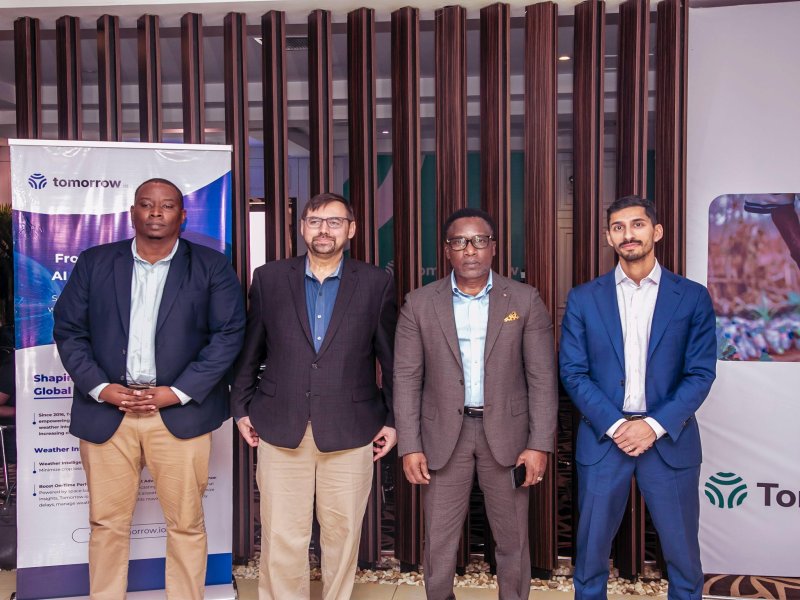
The Nigerian Meteorological Agency (NiMet), in collaboration with Tomorrow.io, is holding a co-design workshop from 12 to 16 February 2026 to refine the Digital Climate Advisory Service (DCAS) Decision Tree. The event marks a significant milestone in their ongoing partnership to strengthen climate resilience for Nigerian farmers. The workshop aims to integrate farmer feedback and expert insights into the DCAS Decision Tree, resulting in more tailored climate advisories that will help farmers make better-informed decisions about planting and harvesting.
The workshop will focus on developing a Crop Decision Tree (CDT) framework, bringing together participants from the Federal Ministry of Agriculture and Food Security, the Federal Ministry of Livestock Development, and representatives from farmer development groups. Each organization plays a critical role in the process. This collaborative approach will help integrate NiMet’s localized 2026 Seasonal Climate Prediction (SCP) with specific farming activities.
The system is designed to generate automated, actionable advisories tailored to various climate scenarios, such as prolonged dry spells, delayed rainfall onset, or early seasonal rains. These advisories will empower farmers to make timely decisions about when to plant, irrigate, or harvest, helping to reduce risks associated with adverse weather and ultimately enhancing agricultural productivity and resilience.
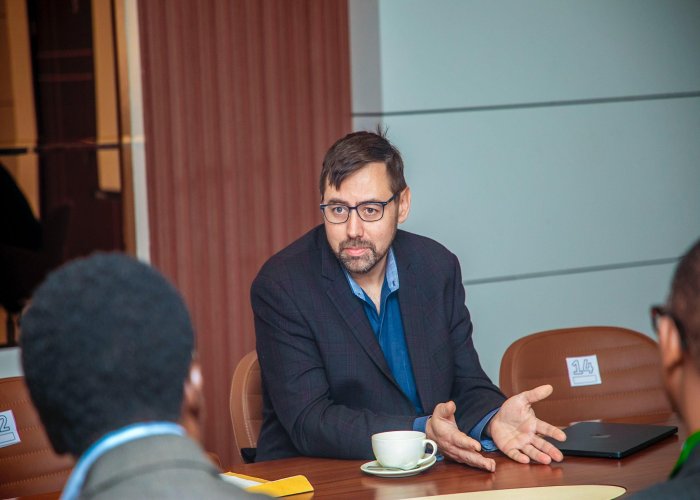
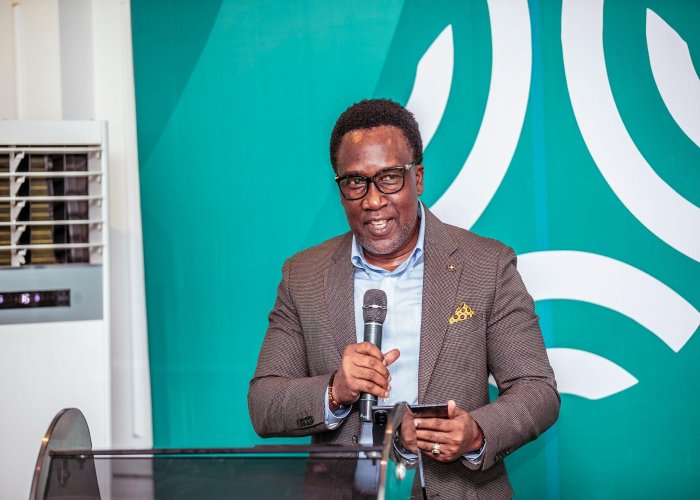
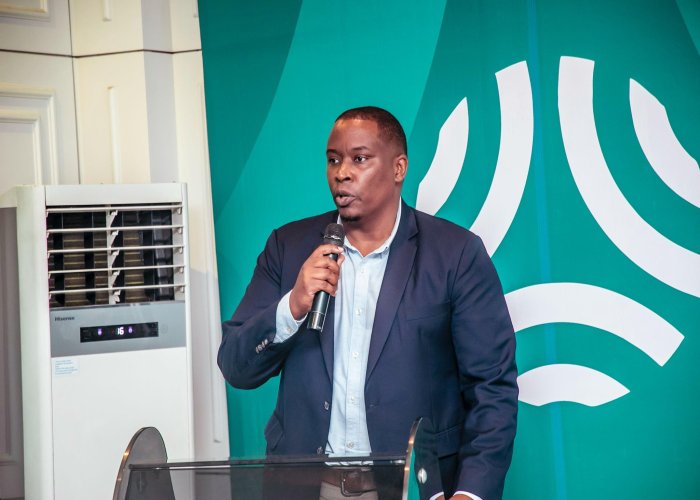
Brian Miranda, CEO representative of Tomorrow.io, expressed his appreciation to Prof. Charles Anosike, Director-General of the Nigerian Meteorological Agency (NiMet), recognising his foresight and strategic leadership in positioning NiMet as a leading National Hydrometeorological Service (NHMS) in Africa. Miranda highlighted that NiMet’s adoption of artificial intelligence in meteorology will significantly enhance early warning systems for extreme weather events, thereby improving the agency’s ability to protect communities.
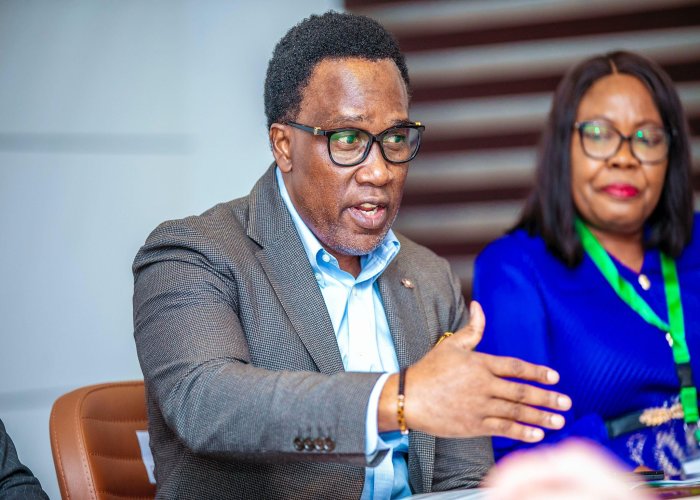
In his remarks, Prof. Charles Anosike, Director-General and CEO of NiMet, described the new climate advisory initiative as a game changer for helping farmers make smarter decisions based on weather information. He emphasized that the service is designed to support farmers in their everyday work by providing advice that is simple and easy to understand.
The five-day workshop will continue with a technical deep-dive session, during which participants will work together to develop the DCAS Decision Tree—a tool designed to assist Nigerian farmers in making informed choices. This decision tree will be tailored to address key challenges faced by local farmers, integrating expert insights and practical feedback to deliver actionable guidance for crop and livestock management based on climate information.