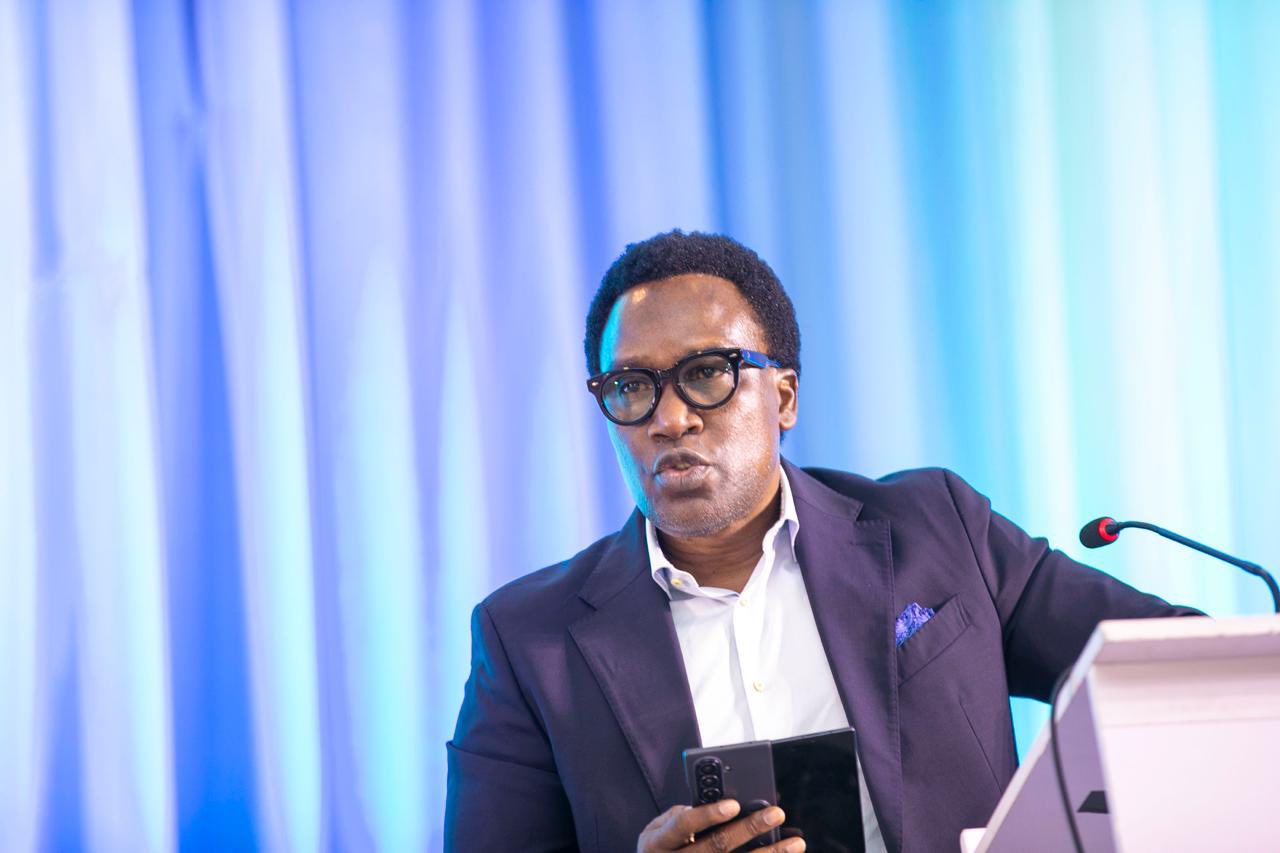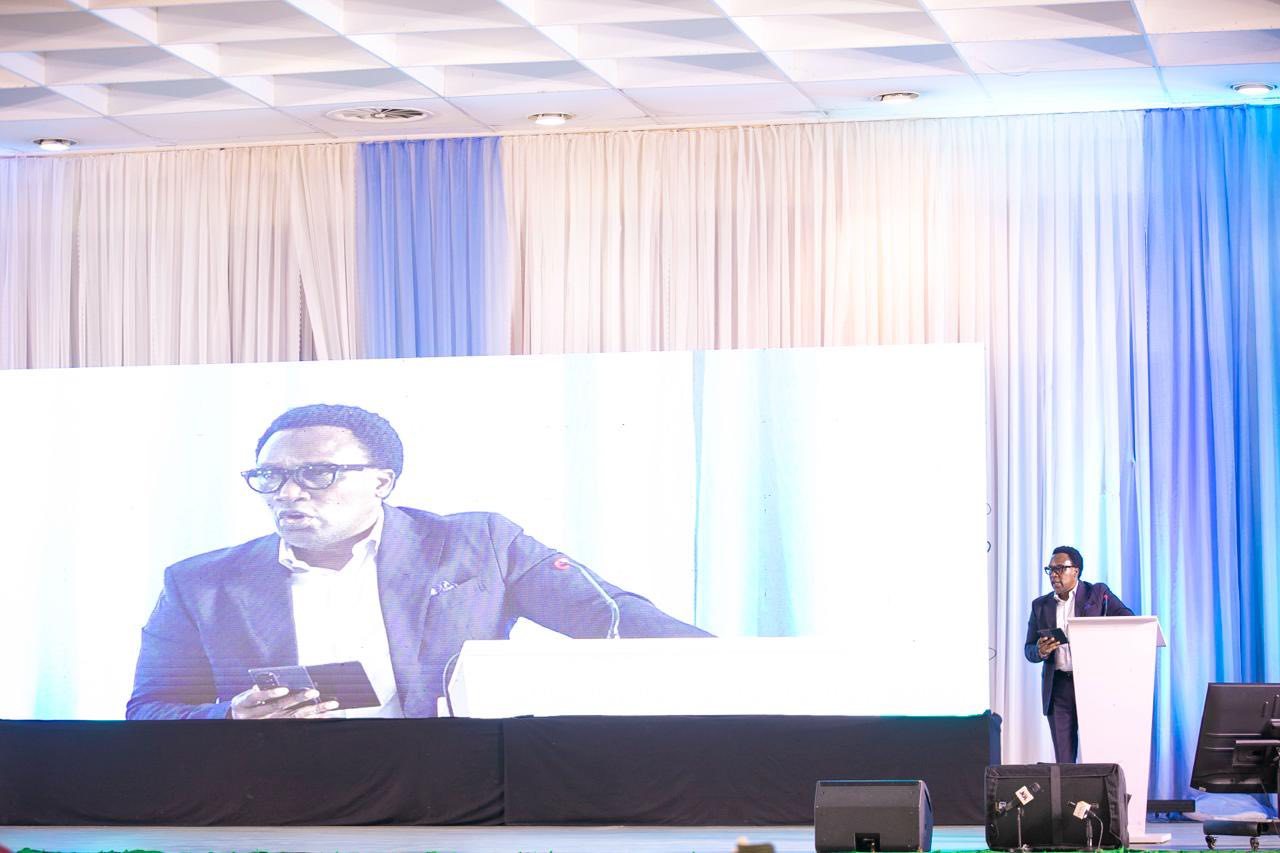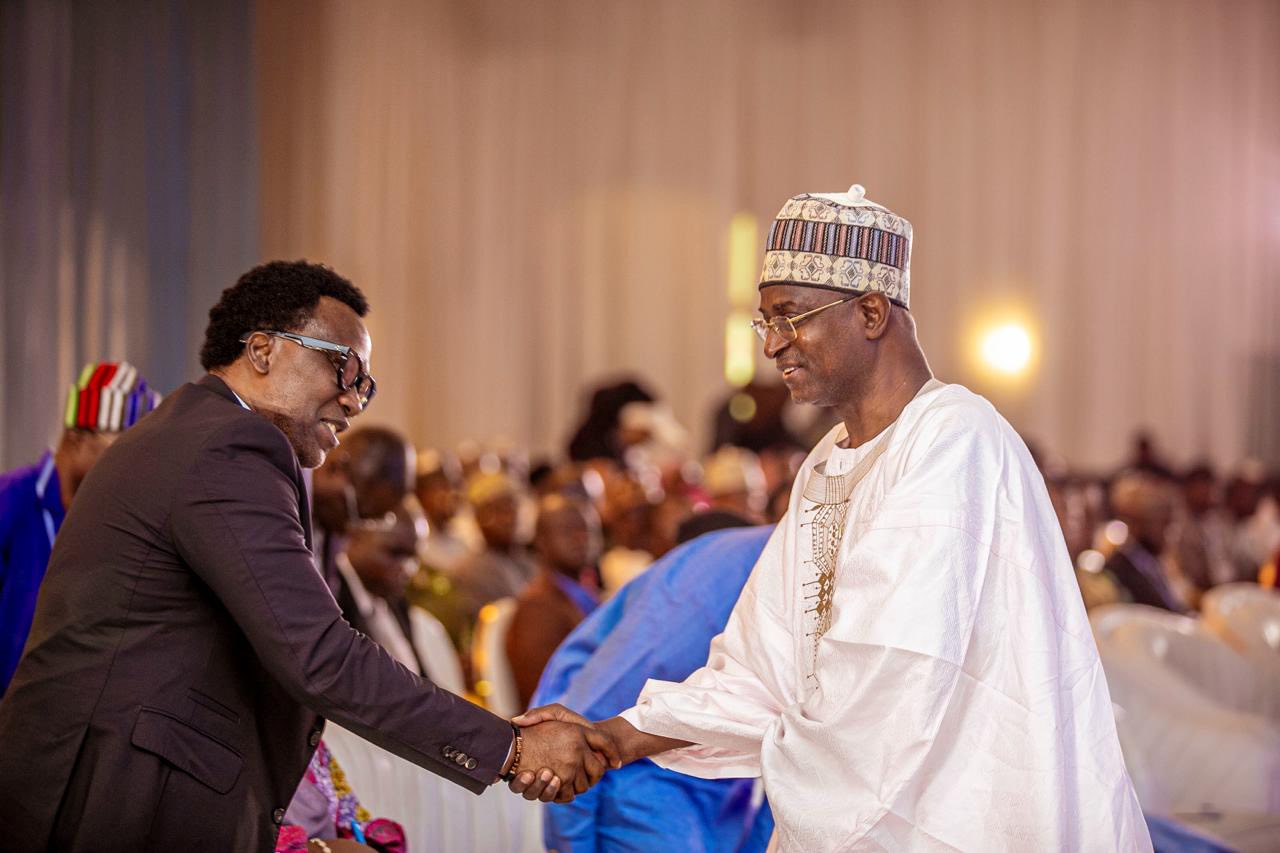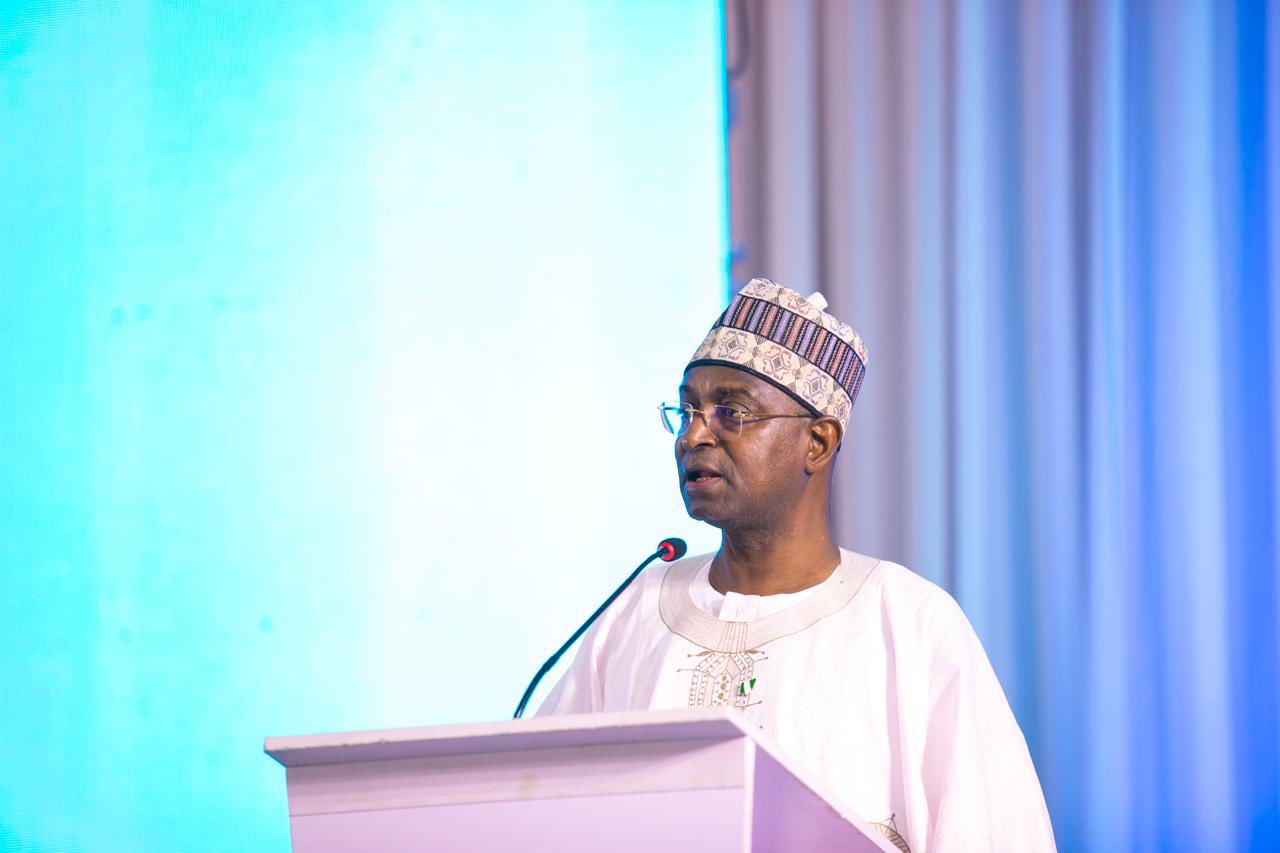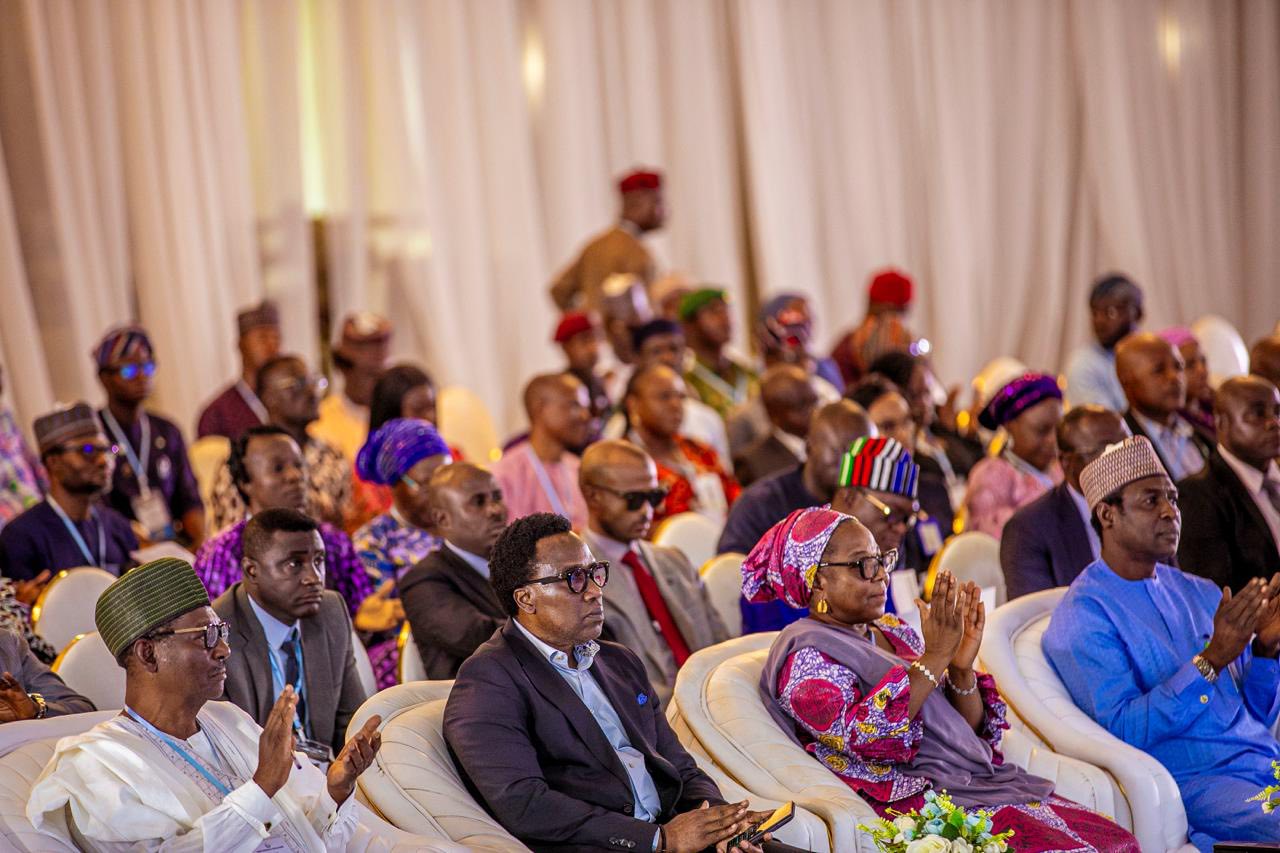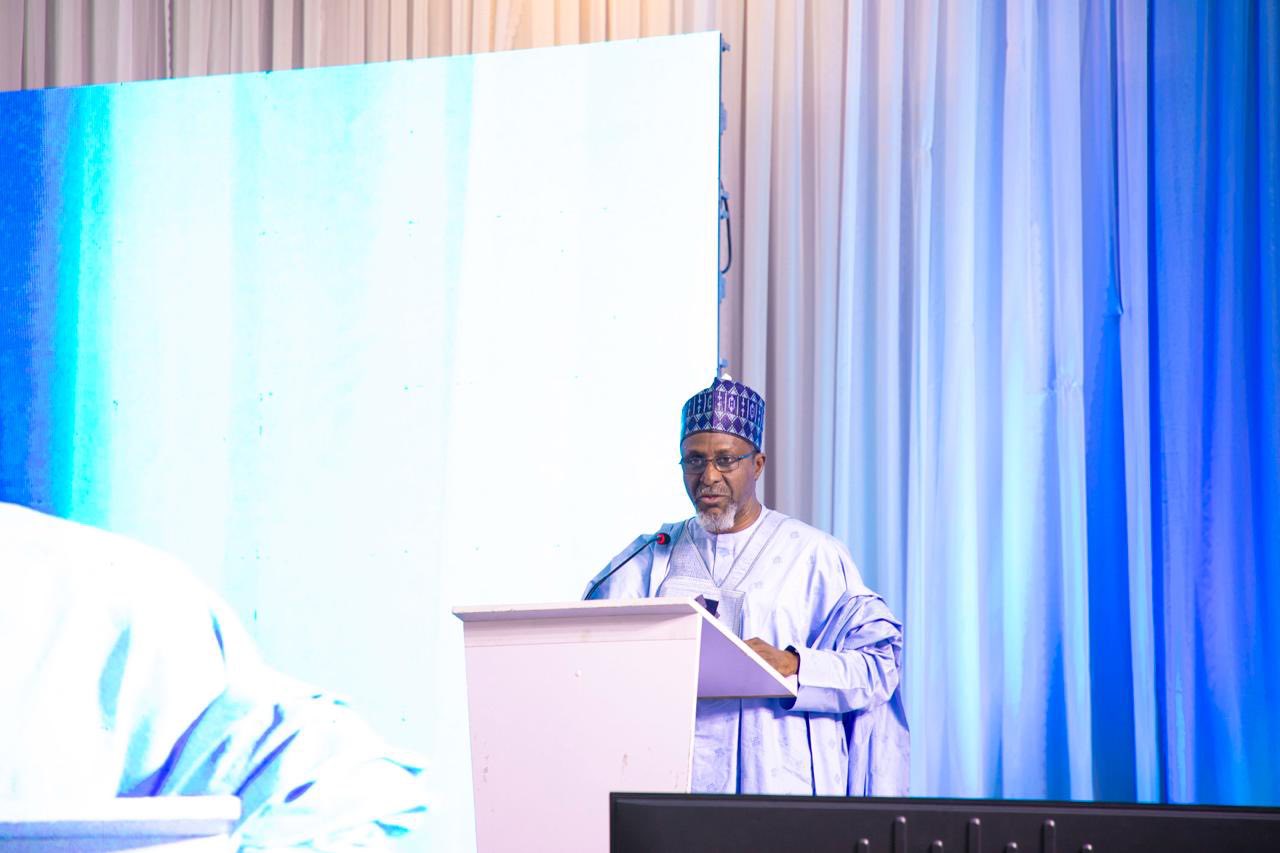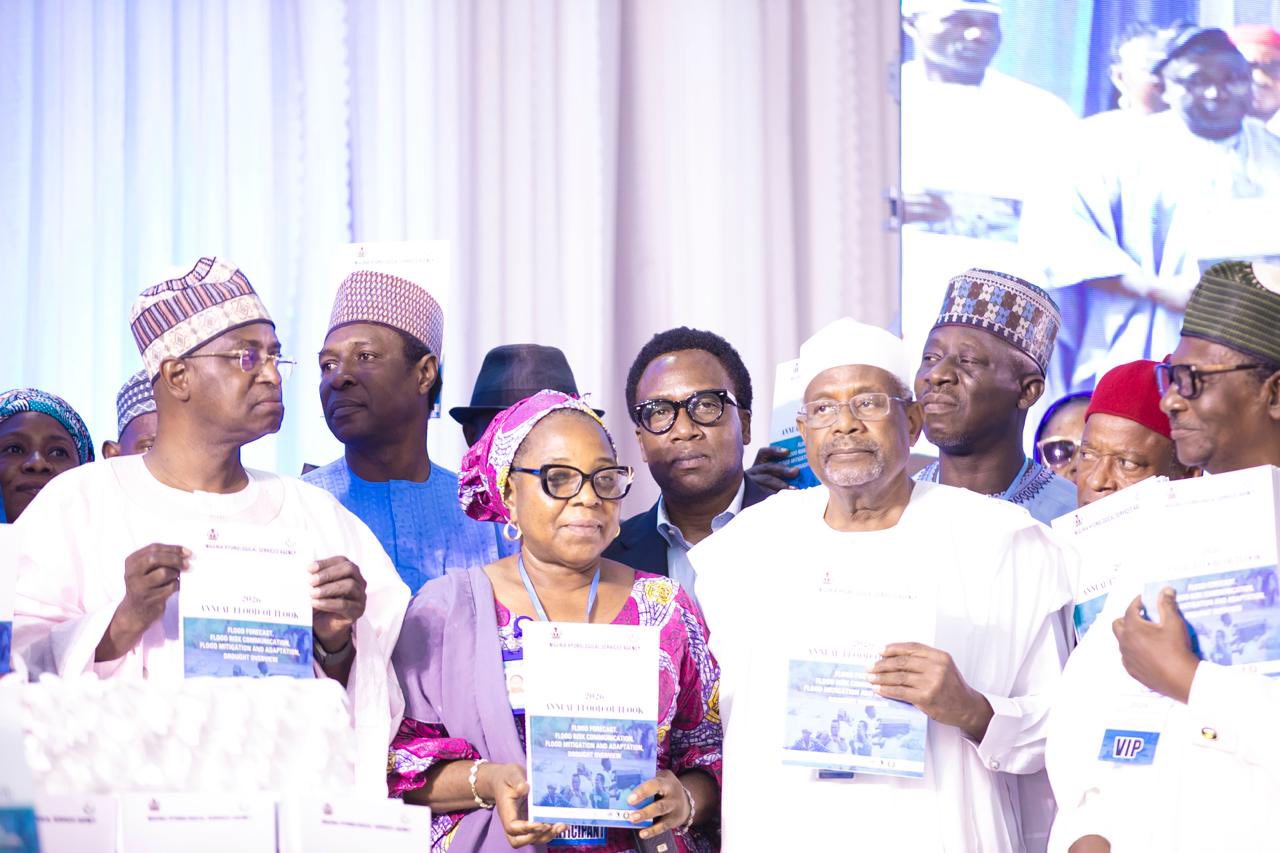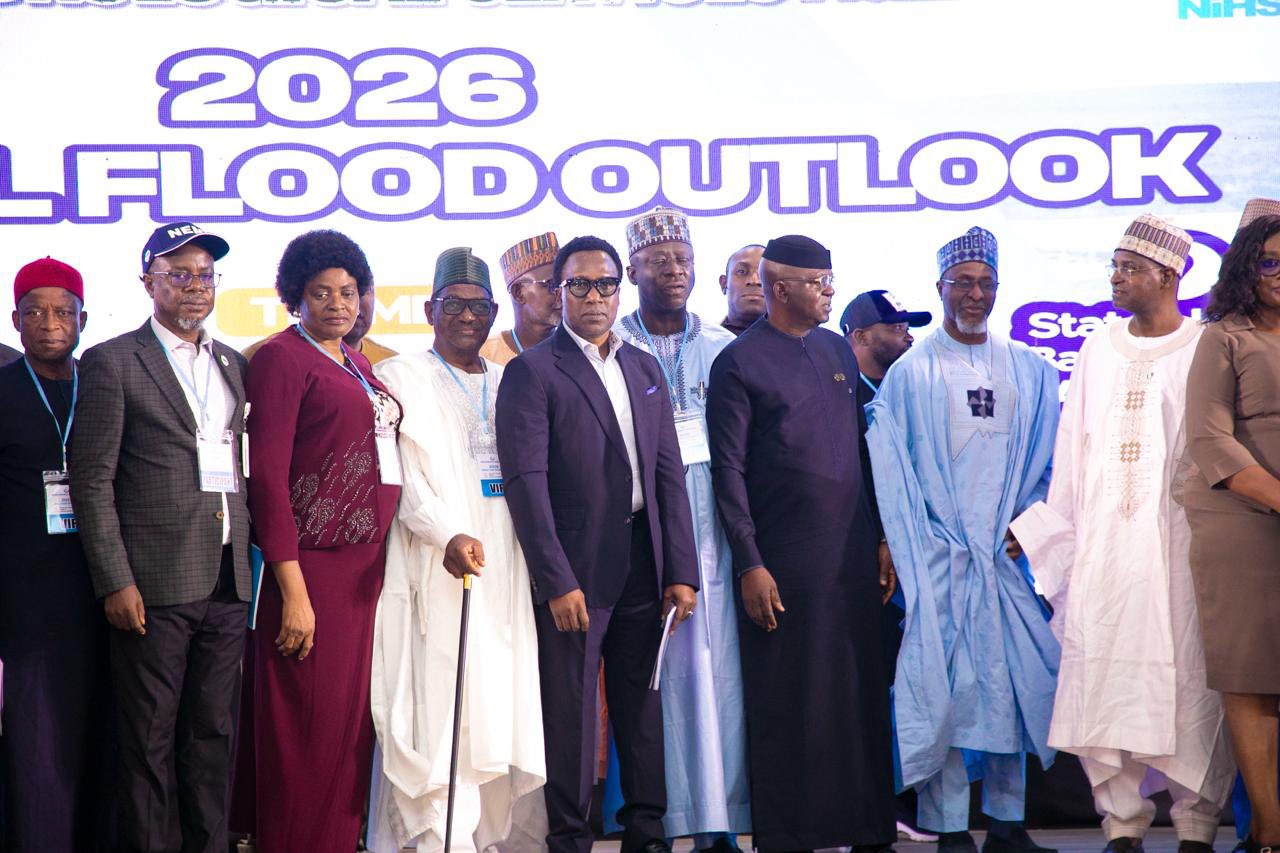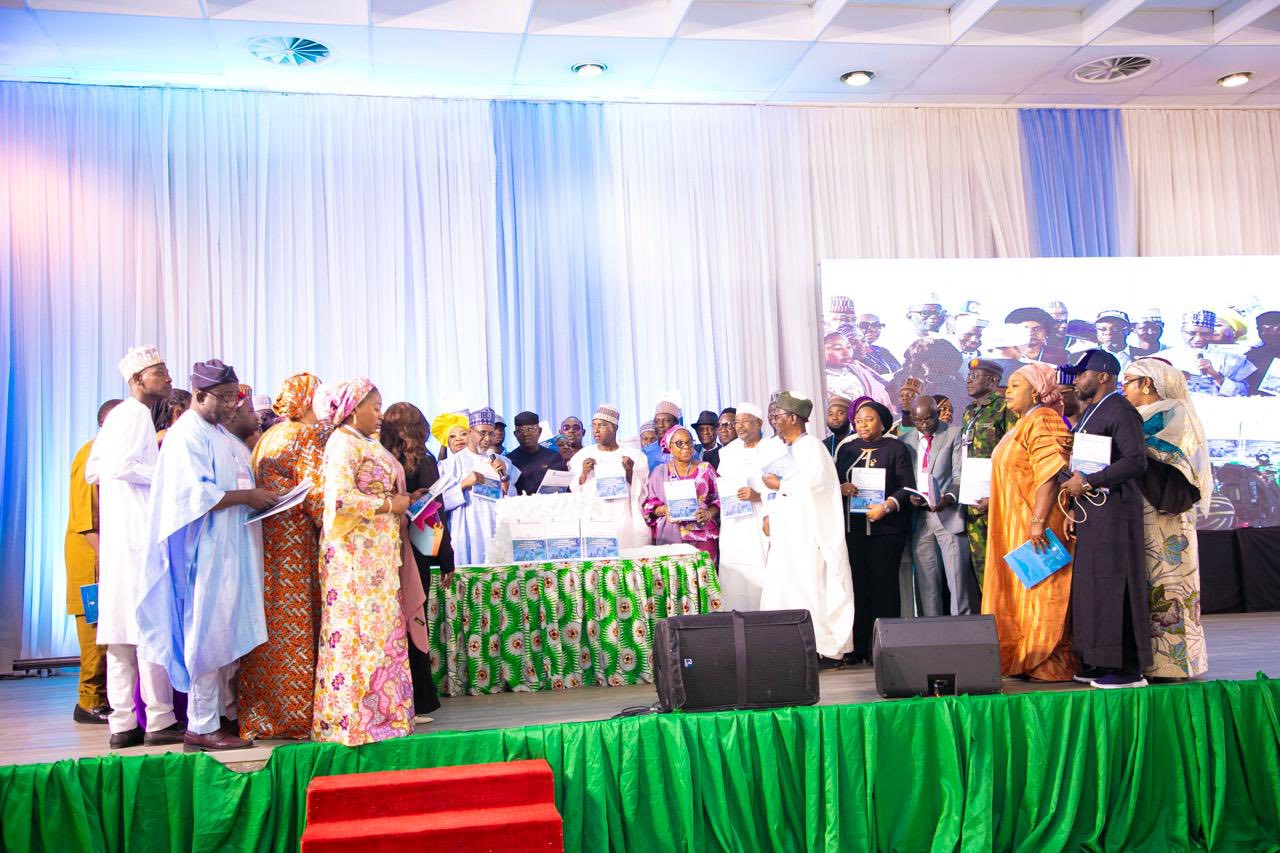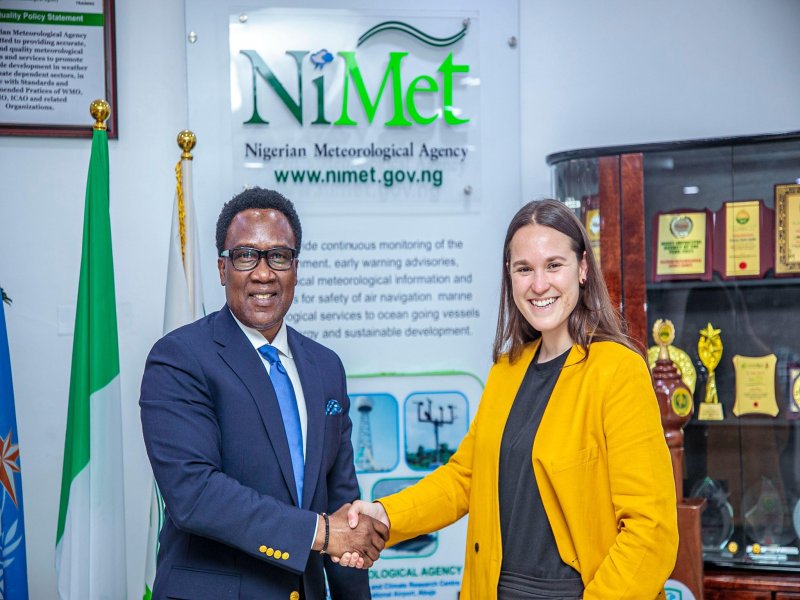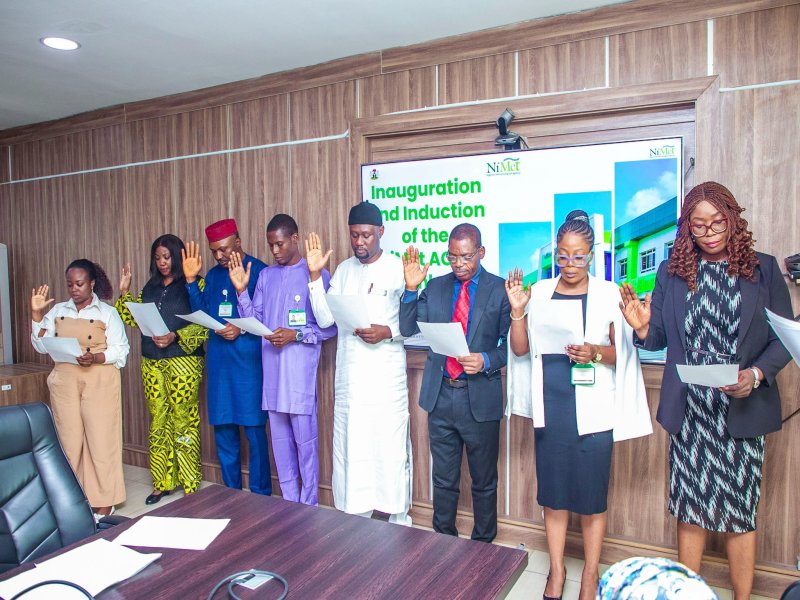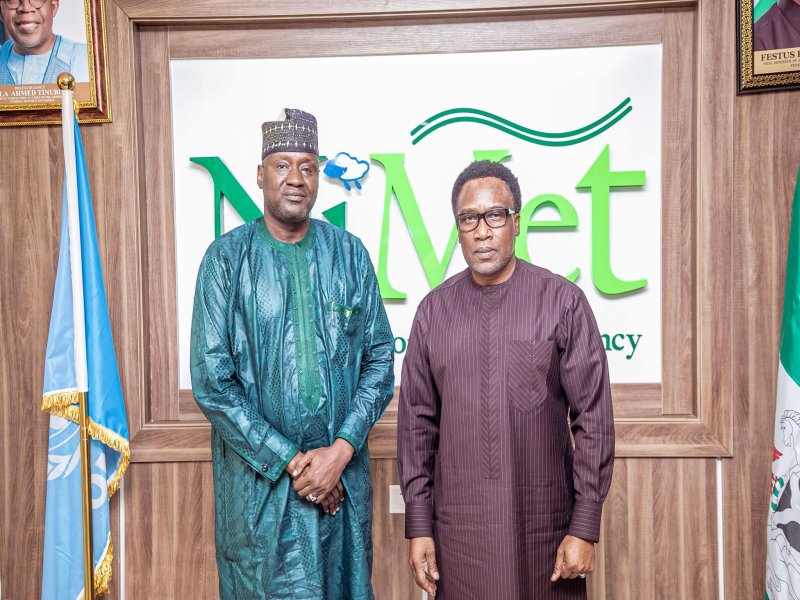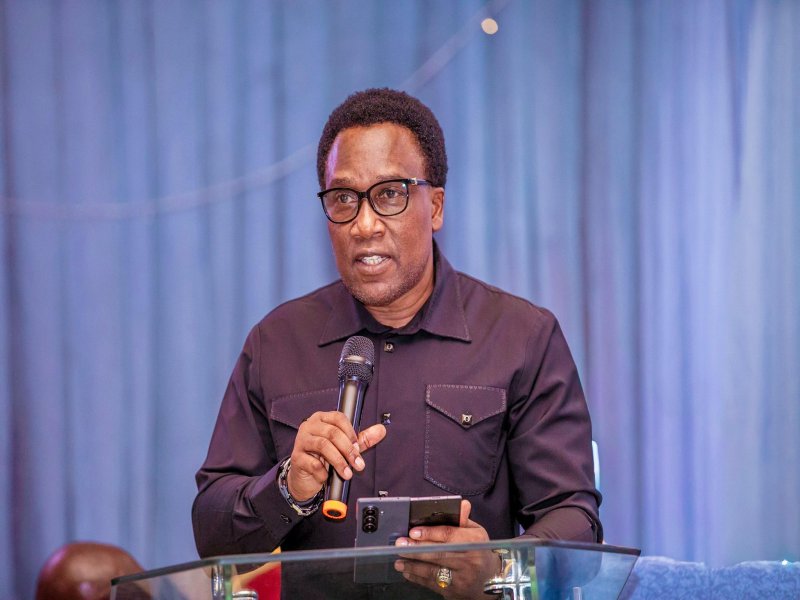
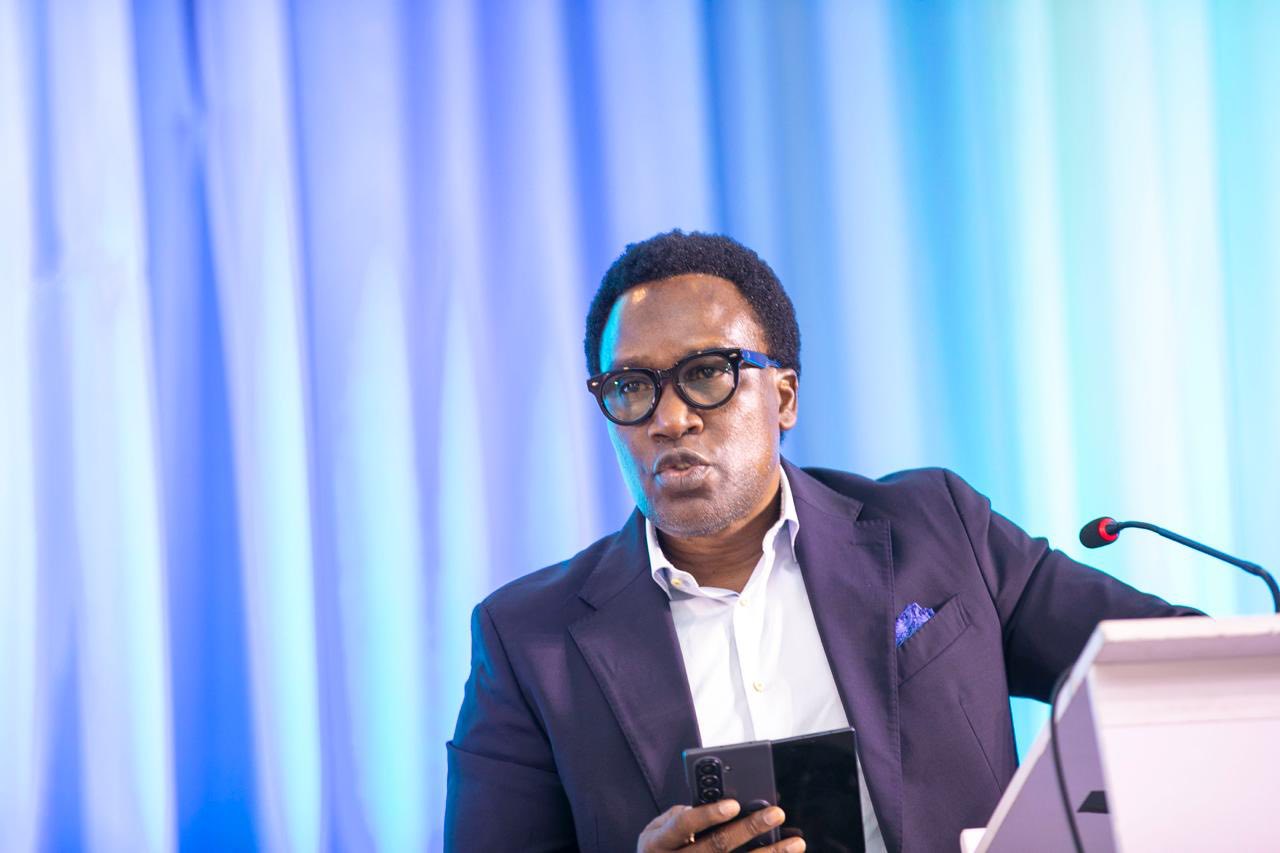
The Director-General/CEO of the Nigerian Meteorological Agency (NiMet), Prof. Charles Anosike, has emphasized the critical role of early warning systems in mitigating the devastating impacts of flooding at the public presentation of the 2026 Annual Flood Outlook (AFO) by the Nigeria Hydrological Services Agency (NIHSA) at the State House Banquet Hall in Abuja.
Prof. Anosike, in his goodwill message, observed that flooding remains a major challenge globally, affecting both developed and developing countries. He noted that this makes early warning tools like the AFO indispensable for reducing risks and losses.
The Director General further explained that the growing impact of climate variability and climate change has increased the frequency and intensity of extreme weather events, thereby making timely and reliable flood forecasts more critical than ever.
Speaking on the theme of this year’s presentation, “Smart Water Resources Management: Moving from Oil to Water-Based Economy,” Prof. Anosike said it underscores the need for Nigeria to rethink its development pathway by recognizing water as a strategic asset for economic diversification, resilience, and sustainable growth.
The DG commended NIHSA’s leadership for sustaining efforts to provide Nigerians with accurate and actionable flood outlooks aimed at protecting lives, livelihoods, and infrastructure. He described NiMet and NIHSA as sister agencies within the global framework of meteorological and hydrological services, working closely under the World Meteorological Organization (WMO) to strengthen disaster risk preparedness and early warning systems in Nigeria.
Prof. Anosike said that the NiMet’s Seasonal Climate Prediction (SCP), which provides critical information on rainfall patterns, onset and cessation dates, and dry spells, serves as a key input into the development of the Annual Flood Outlook. He further highlighted the need for strengthened collaboration, enhanced data sharing, and continuous innovation among relevant agencies, aligning with global initiatives such as Early Warnings for All and the National Framework for Climate Services and reaffirmed NiMet’s commitment to working with NIHSA and other stakeholders to improve early warning systems, boost climate resilience, and support Nigeria’s transition towards a more sustainable, water-driven economy.
He concluded by congratulating the Director-General of NIHSA, Umar Ibrahim Mohammed, as well as the management and staff of the agency, for the successful presentation of the 2026 Annual Flood Outlook.